South Mountain Park and Preserve: Traverse copyright's Pristine Oasis
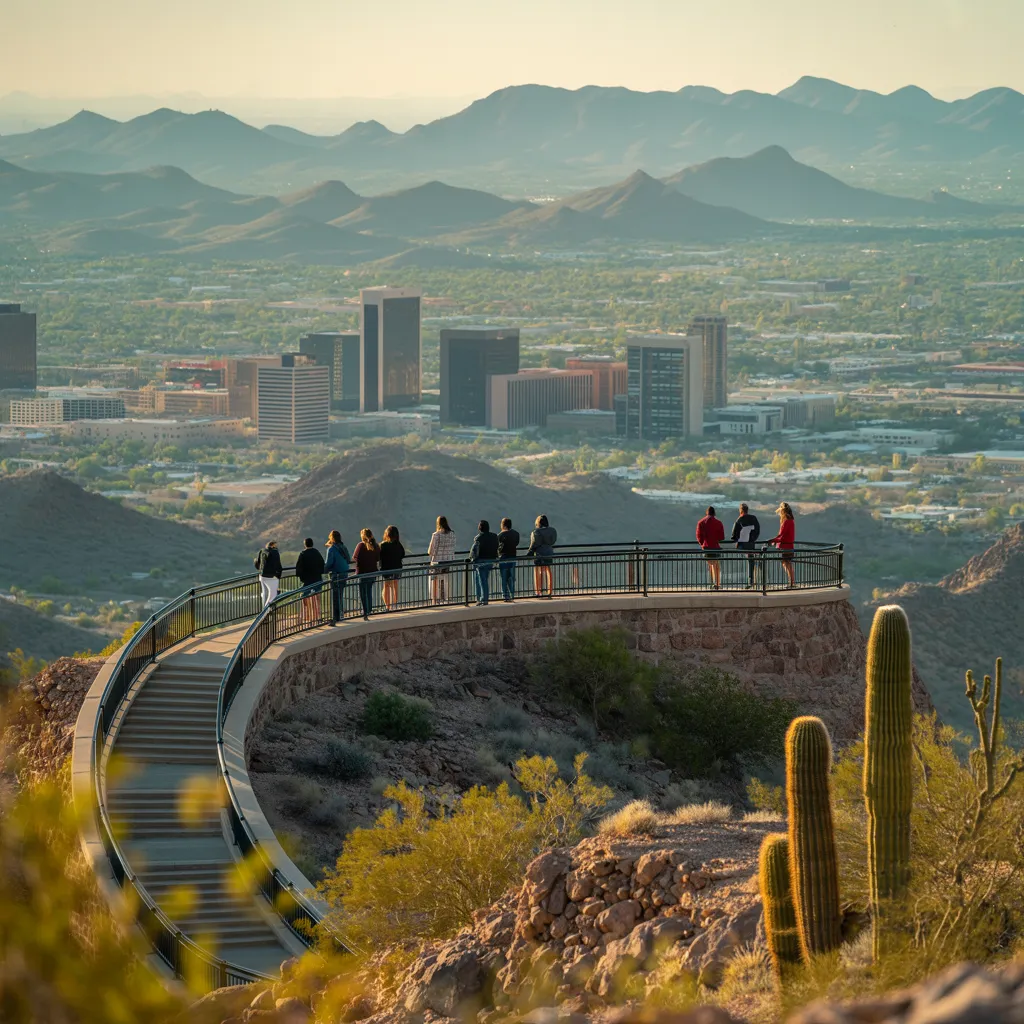
South Mountain Park and Preserve represents an exceptional natural getaway in copyright, Arizona. Stretching across 16,000 acres, it showcases a diverse array of geography and routes. Visitors can witness distinctive natural formations and abundant wildlife. The park represents not only a refuge for nature enthusiasts but also carries heritage significance. As one moves through its offerings, a sense of wonder about what approaches summons. What encounters greet those who explore further this pristine retreat?
Overview of South Mountain Park and Preserve offers information into this remarkable destination
South Mountain Park and Preserve represents a immense natural haven positioned in copyright, Arizona, occupying over 16,000 acres of uneven terrain. This massive park is recognized for its singular geological features, including notable stone formations and assorted desert vegetation. The area demonstrates a exceptional variety of wildlife, making it a key sanctuary for many creatures. The park's elevation spans from 1,200 to 2,700 feet, granting splendid scenic views of the surrounding Sonoran Desert and the copyright metropolitan area.
Established in 1924, South Mountain Park is one of the largest municipal parks in the United States, highlighting a commitment to preserving natural landscapes. The preserve operates as a safe haven for both residents and people, beckoning exploration and gratitude of its ecological significance. With its rich history and natural beauty, South Mountain Park and Preserve proves a representation of the critical nature of protection efforts in urban settings.
Trails and Trekking Options
With over 16,000 acres of varied terrain, the park provides a variety of trails that cater to hikers of all skill levels. From easy, flat paths suitable for families to challenging, steep inclines for experienced adventurers, South Mountain Park and Preserve offers a abundance of options for outdoor enthusiasts. The well-known Hidden Valley Trail features breathtaking rock formations, while the strenuous National Trail delivers sweeping views of the surrounding landscape.
Many trails are clearly marked and maintained, making navigation easy, even for novice hikers. Additionally, relevant article the park's integrated path network allows for customizable routes, permitting individuals to tailor their hiking experience to their preferences.
For those desiring a leisurely stroll or an invigorating trek, travelers can fully engage themselves in the natural beauty of the area. The abundant pathways stimulate investigation and offer a unique opportunity to connect with nature in this metropolitan haven.
Animal Life and Natural Habitats
South Mountain Park and Preserve contains diverse ecosystems that sustain a broad variety of wildlife and natural habitats. Spanning more than 16,000 acres, the park offers desert scrub, grasslands, and riparian zones, each providing unique species. Visitors may encounter a range of animals, including coyotes, bobcats, and birds like quail and hawks. The park is also populated with numerous reptiles, such as rattlesnakes and lizards, which flourish in the dry environment.
Flora plays an essential role in these habitats, with iconic saguaro cacti, mesquite trees, and creosote bushes providing critical cover and nourishment. Seasonal changes bring diverse wildlife activities, with some species migrating or altering their actions. Conservation efforts within the park aim to protect these habitats, ensuring the survival of both usual and rare species. This commitment to wildlife care enhances the ecological health of South Mountain Park and Preserve, making it an important natural resource in the region.
Cultural and Historical Relevance
While many visitors come to enjoy the pristine wilderness of the park, its cultural and historical value is comparably engaging. South Mountain Park and Preserve is site of ancient Native American petroglyphs, presenting a insight into the lives of the Hohokam people who inhabited the area over a thousand years ago. These rock carvings serve as a reflection of the region's rich indigenous heritage and are protected as an essential part of Arizona's cultural landscape.
Aside from its archaeological importance, the park carries historical ties to early 20th-century development in copyright. It was established in 1924, positioning it as one of the largest municipal parks in the country. The park's name reflects the mountain range that has been a key landmark for both Native Americans and settlers alike. Today, South Mountain operates as a badge of cultural resilience and a connection to the past for the community and visitors.
Scenic Lookouts and Photography Spots
South Mountain Park and Preserve provides not only rich cultural history but also delivers stunning visual landscapes that draw outdoor lovers and picture-takers alike. Boasting more than 16 miles of scenic trails, the park includes many viewpoints that display copyright's spectacular panoramas. The popular Dobbins Lookout, positioned at an elevation of roughly 2,330 feet, offers panoramic views of the city skyline, especially mesmerizing during sunset.
Another notable spot is the National Trail, which winds through varied terrain, offering outstanding opportunities for capturing the area's scenic landscape. The lookout points near Gila Monster and Pima Canyon are also preferred by photo enthusiasts for their distinctive viewpoints and colorful desert vegetation. Wildlife photography is plentiful as well, with possibilities to photograph birds, wildlife, and breathtaking scenery. Overall, South Mountain Park and Preserve serves as a paradise for those seeking picturesque views and remarkable photographic experiences.
Pursuits for All Ages
South Mountain Park and Preserve presents a diverse array of pursuits good for all ages, ensuring that every visitor can experience pleasure. Families can explore numerous trekking routes designed for different ability levels, while designated dining areas deliver an excellent venue for social gatherings. Furthermore, chances to observe wildlife watching enhance the experience, allowing guests to bond with nature.
Hiking Trails for All
Why is exploring South Mountain Park and Preserve so enticing for people of all ages? The park presents a rich assortment of trails that address diverse skill levels, from casual strolls to tougher climbs. Families bringing young children can savor the simple, well-defined paths, while proficient hikers can surmount the more unforgiving terrain. Magnificent vistas, unique natural formations, and abundant animal life supply an immersive experience for everyone. Furthermore, the park's welcoming accessibility confirms that guests with any level of ability can partake of the outdoor journey. By providing numerous ways to bond with nature, South Mountain Park builds a passion for adventure and learning, making it an outstanding destination for individuals and families in search of outdoor endeavors that work for their preferences and abilities.
Family-Centered Outdoor Dining Areas|Family-Suitable Picnic Destinations|Family-Appropriate Eating Venues|Family-Accommodating Picnic Settings
In the expansive South Mountain Park and Preserve, family-friendly picnic areas form a ideal complement to the park's hiking opportunities. These marked areas provide an ideal place for families to unwind and enjoy meals surrounded by stunning natural landscapes. Outfitted with picnic tables and grills, guests can easily set up for a peaceful afternoon. The accessibility of these areas inspires families to gather, share food, and participate in games, fostering bonds and creating lasting memories. In addition, the close location to multiple trails allows families to merge their picnicking time with outdoor exploration. With ample shade from the surrounding trees and scenic views, these picnic spots serve as a enjoyable retreat for all ages, making South Mountain Park a well-loved destination for family outings.
Wildlife Sighting Options
While roaming the diverse landscapes of the park, guests can locate ample wildlife observation possibilities suitable for all ages. South Mountain Park and Preserve is home to a spectrum of species, including rabbits, coyotes, and an array of birds such as hawks and quails. Families can take part in birdwatching, applying binoculars to identify these fascinating creatures in their natural habitats. The park also presents guided nature walks, where seasoned rangers communicate insights about local wildlife and ecosystems. Children can participate in scavenger hunts, strengthening their observation skills while acquiring about the importance of safeguarding wildlife. Whether through quiet observation or engaging activities, wildlife watching at South Mountain Park provides rewarding experiences for guests of all generations.
Recommendations for Visiting South Mountain Park
Readying your visit to South Mountain Park requires becoming familiar with the best hiking trails for an enjoyable outing. Visitors should remember the park's hours and access points so they can maximize their time in this vast outdoor space. These tips can help provide a rewarding adventure for all who explore the varied terrain.
Excellent Hiking Pathways
escape the afternoon warmth while traversing these beautiful paths
Park Hours and Entry
What are the best times to visit South Mountain Park and Preserve? The park is available throughout the year, with entry from sunrise to sunset. Maximum visitor times usually happen in the dawn hours and early evening, offering cooler temperatures and stunning views. Visitors are urged to schedule their visits during these times to maximize their experience. Weekdays are generally less crowded than weekends, creating a more tranquil atmosphere. Parking areas can fill up quickly, particularly on weekends, so getting there soon is advisable. Additionally, visitors should look into any temporary shutdowns or special events that may impact entry. Always be sure to bring water and wear appropriate footwear for a secure and pleasant adventure in this pristine sanctuary.
Popular Inquiries Asked Regularly
Are there guided tours available to experience in South Mountain Park?
Yes, organized excursions are available in the park. Visitors can choose from various options, such as hiking and biking tours conducted by expert instructors, who provide information into the park's unique plant and animal life.
What Time Does the Park Operate?
The green space runs every day from 5 a.m. to 11 p.m., providing sufficient time for guests to enjoy its walking trails and scenic sights. During these hours, visitors can appreciate the natural beauty and recreational opportunities available.
Is camping allowed in South Mountain Park?
Camping is prohibited within South Mountain Park. Visitors must find nearby campgrounds or other locations for camping activities. The park primarily emphasizes day-use recreational opportunities, ensuring the protection of its natural environment.
Can You Take Pets on the Trails?
Animals are permitted on the trails, but they must remain leashed at all times. Visitors are encouraged to clean up after their pets to preserve the park's natural beauty and guarantee a pleasant experience for everyone.
What Do You Pay at the Park Cost for Entry?
The park's admission fee is generally free, as it is a public space. However, some areas may require a charge for specific activities or amenities, so guests should check for any relevant fees before their visit.